
Takeaway
In the exam room, take a moment to look at a piece of art with the patient. Then ask a gentle, open-ended question to invite them to share openly.
Creative arts in medicine | December 4, 2025 | 1 min read
By William Stoehr, professional artist, https://www.williamstoehrart.com/
Some of the most important stories are the ones that never get told—fear, shame, grief, uncertainty, carried just beneath the surface—private histories rarely spoken aloud.
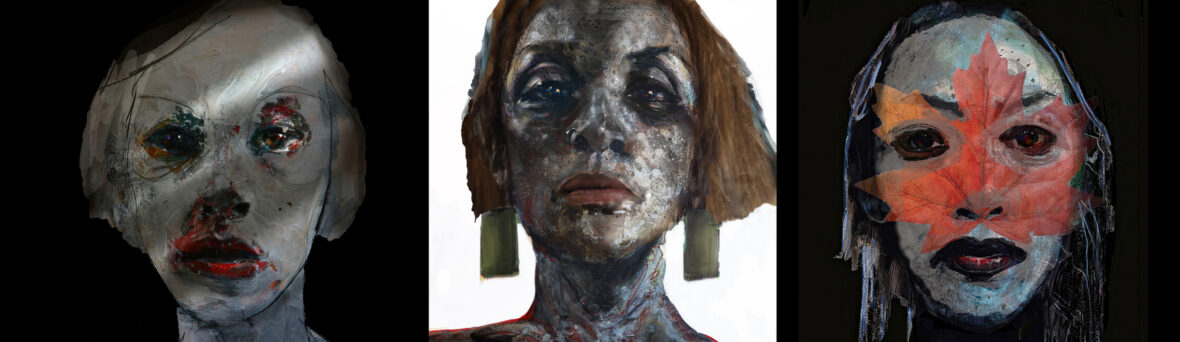
At my exhibits on substance use disorder and the stigma surrounding it, I’ve watched what happens when someone meets a portrait that mirrors their pain, confusion, or resilience. Something shifts. They see themselves reflected. They feel less alone. They share their thoughts and feelings.
Art disarms us. It slips past the instinct to protect and hide. People disclose what they’ve never said to a friend, clinician, or their own family—a son they lost, a relapse they regret, a burden they’ve carried in silence. These moments make me wonder whether art could help healthcare professionals glimpse the emotional world that patients struggle to put into words, an invitation to speak without feeling examined.
Whole patient care depends on listening, and true listening includes hearing not just what is said, but what is withheld. When someone begins to share their hidden story, stigma loses its grip. Shame loosens. Connection becomes possible.
Art is more than a visual experience. In clinical settings as well as in galleries, it can encourage dialogue, reveal the unsaid and inspire action – whether it’s someone seeking help, offering support, or reshaping their own assumptions about substance use disorder. Art becomes a bridge to the missing voice.
This piece expresses the views solely of the author. It does not necessarily represent the views of any organization, including Johns Hopkins Medicine.