
Takeaway
Practice trauma-informed care addressing physical, psychological, and social needs in all care settings.
Creative arts in medicine | January 20, 2026 | 1 min read
By John DeCarlo, PhD, Hofstra University
Memories, unforgettable
After the air invasion, his uncle
Carried him to a makeshift hospital
Surgical teams removed
The shrapnel of surgical strikes
Bones of the hips—replaced bones of the jaw
Flesh of arms and legs—replaced facial flesh
With very little left—
He was left to live
What memories—
Will replace the memories?
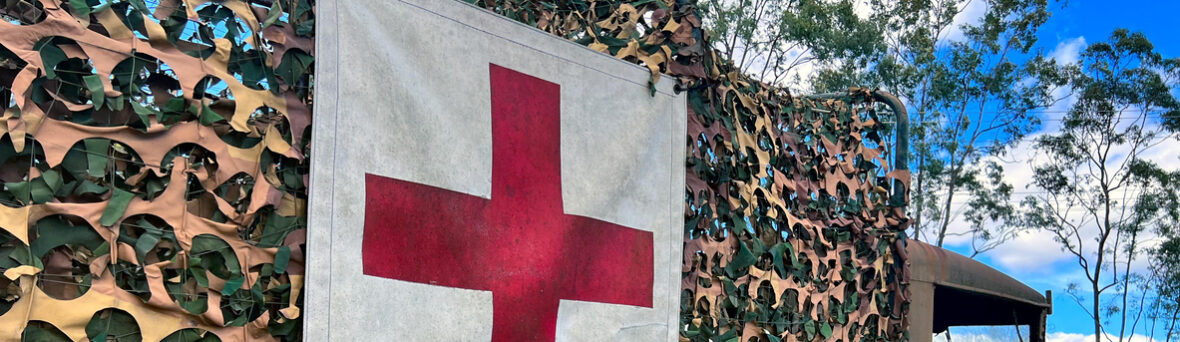
We routinely see campaigns from organizations like Save the Children, the Red Cross, and Doctors Without Borders that highlight urgent need. The collateral injuries of war and conflict disproportionately affect children, and the most basic elements of care are constrained, forcing reliance on damage-control procedures and improvised reconstructions.
I read a long-form narrative of a boy with devastating facial shrapnel injuries that underscored these realities. His parents, shocked and overwhelmed by his massive injuries, relied on his uncle to navigate transport and access to a distant facility. Surgeons salvaged his life and function with what they had.
The accompanying poem distills these lessons into a visceral, memorable frame. I hope it serves as a poignant reminder to practice trauma-informed care addressing physical, psychological, and social needs in all care settings. And, of course, to see the person beyond the procedure—whether in conflict zones or in our own clinics and hospitals.
This piece expresses the views solely of the author. It does not necessarily represent the views of any organization, including Johns Hopkins Medicine.