
Takeaway
These portraits invite us to reflect on how our assumptions and biases shape the way we see others. That reflection may help clinicians approach patients with greater compassion.
Creative arts in medicine | November 17, 2026 | 2 min read
By William Stoehr, artist, www.WilliamStoehrArt.com
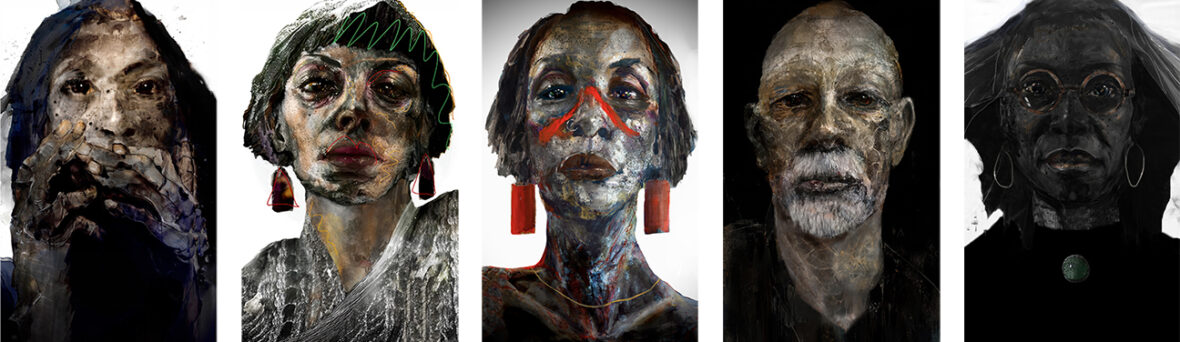
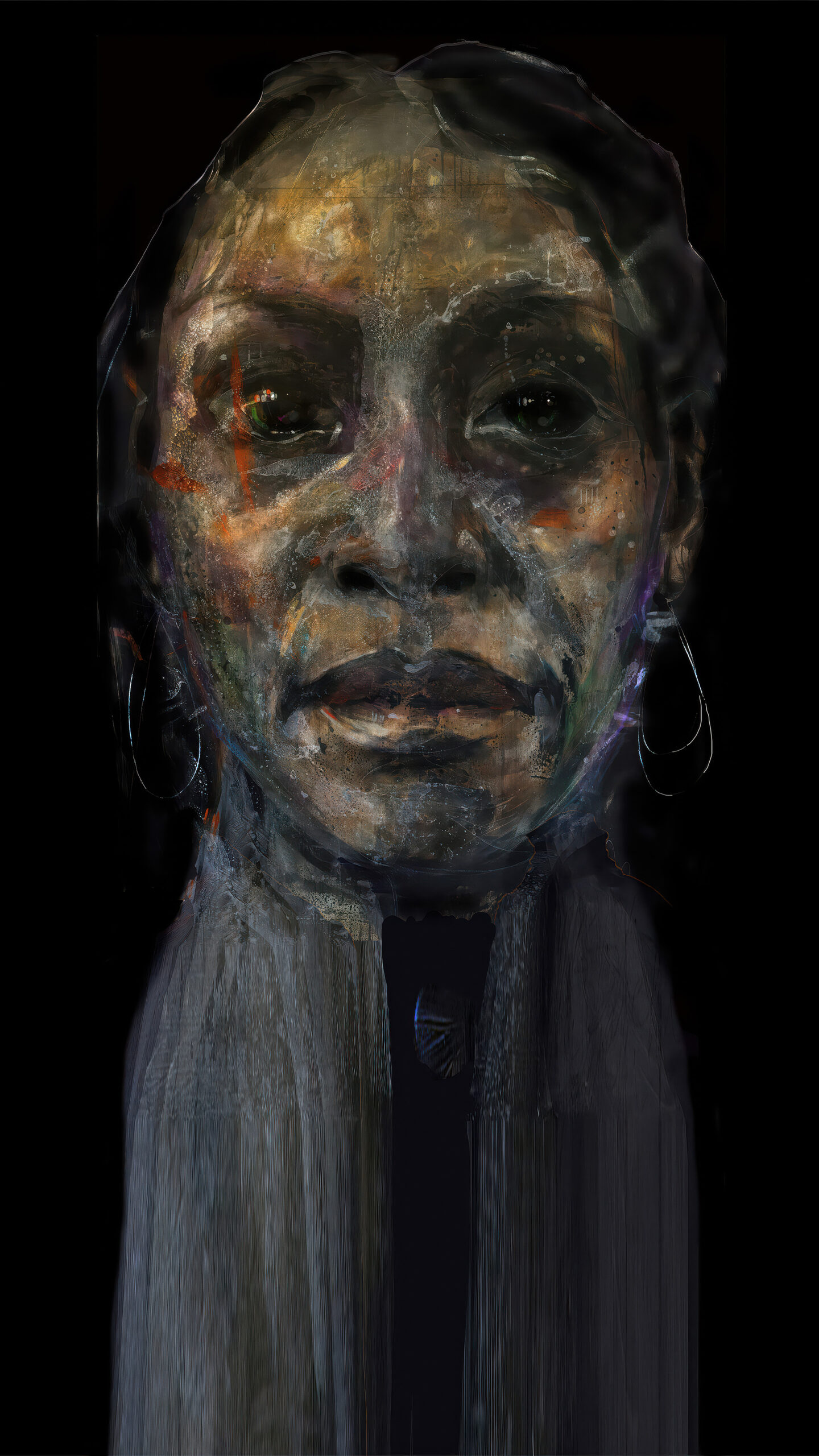
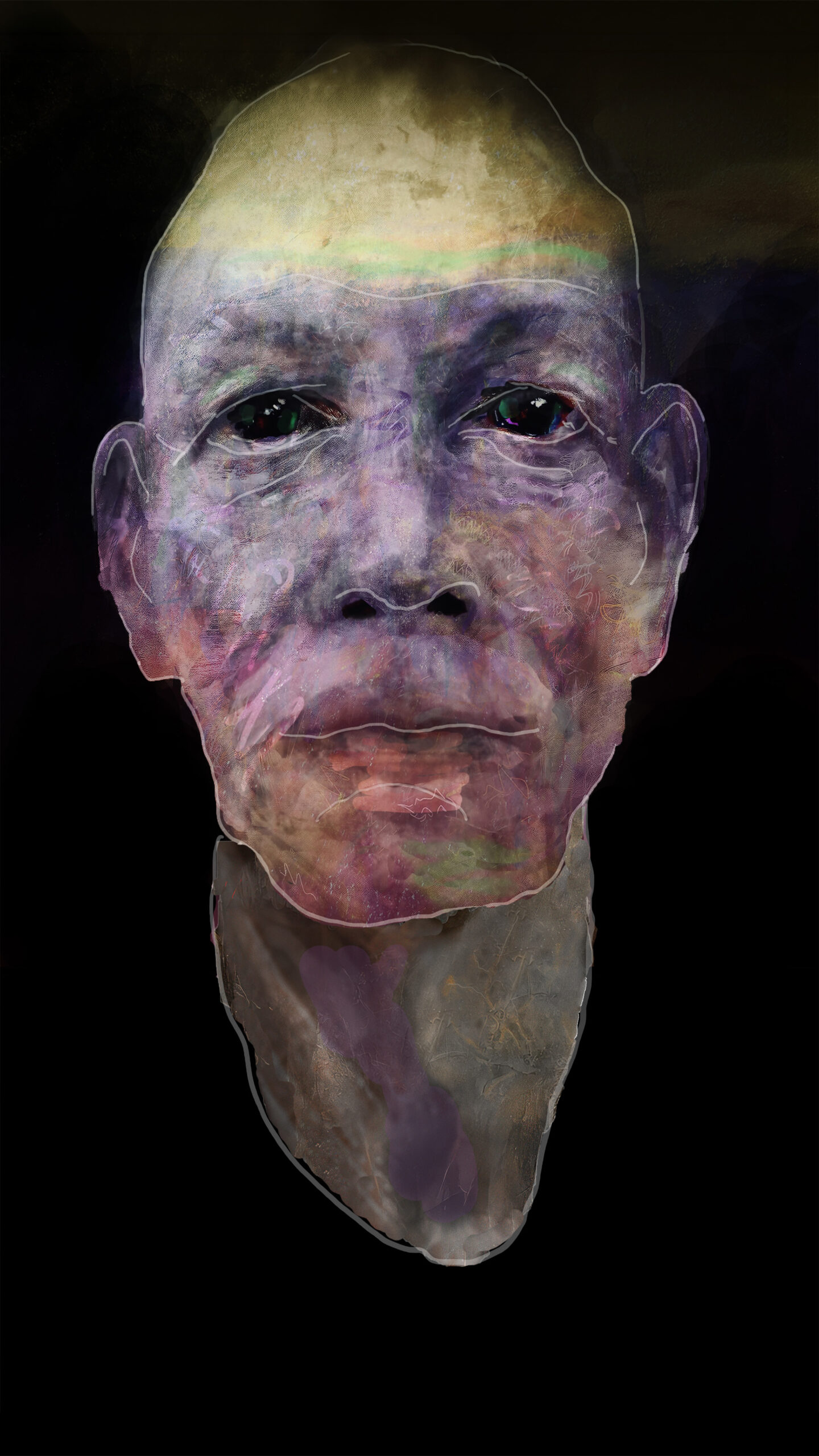
These five portraits are representative of much of my work and their ambiguity is intentional. I provide no personal histories of the subjects, diagnoses, or explanations of what the people depicted might be thinking or feeling. The faces are quite different from one another, and I suspect viewers respond to each differently. Some may appear vulnerable, others confident, troubled, angry, resilient, or perhaps something entirely different. Viewers inevitably construct narratives, drawing on their own experiences, memories, assumptions, and perhaps unconscious biases.
What can the way we respond to viewing a portrait reveal about the way we see and judge other people? What happens when the person we’re looking at isn’t in a painting but sitting across from us in a hospital, clinic, or treatment center?
Of course, art is subjective. But how much of what we see comes from the painting and how much comes from ourselves? In daily life, how do our assumptions and biases influence the questions we ask, the stories we believe, the empathy we feel, and the decisions we make?
For someone living with substance use disorder, decisions by healthcare professionals can have profound consequences. They can determine whether someone is treated with dignity or suspicion, whether their pain is taken seriously, whether they receive care or not, and whether they have an opportunity for recovery.
How can we confront stigma without first recognizing the assumptions and biases that sustain it? I wonder whether art can help. An ambiguous painting offers an opportunity to examine our reactions. Why do we see what we see? How much comes from what is actually there rather than the story we’ve created? If we can construct an entire story about someone in a portrait we know nothing about, how often do we do the same with real people? Perhaps self-examination can make us more aware of the assumptions we bring to encounters with real people. Of course, not every interpretation reveals prejudice, and recognizing bias doesn’t automatically change it. But awareness may be an important first step.
Perhaps art can do more than make us feel something. Maybe it can make us question why we feel the way we do and ask what it reveals about ourselves and how it affects the way we treat others. Can art help us see not only the person in front of us, but also the assumptions and biases through which we see them?
Ultimately, this kind of reflection matters because the way healthcare professionals see patients can shape the care they receive. By questioning assumptions, listening with curiosity, and responding to each person with dignity, we can help create more compassionate and equitable care.
This piece expresses the views solely of the author. It does not necessarily represent the views of any organization, including Johns Hopkins Medicine.