
Takeaway
To boost patients’ intrinsic motivation, ask questions that elicit their reasons for exercising. Then set small achievable goals and follow-up to celebrate their progress.
Creative arts in medicine | May 4, 2026 | 1 min read
By John DeCarlo, MDiv, MA, Hofstra University
Beyond the treadmill
While walking a treadmill
for therapy and exercise is fine,
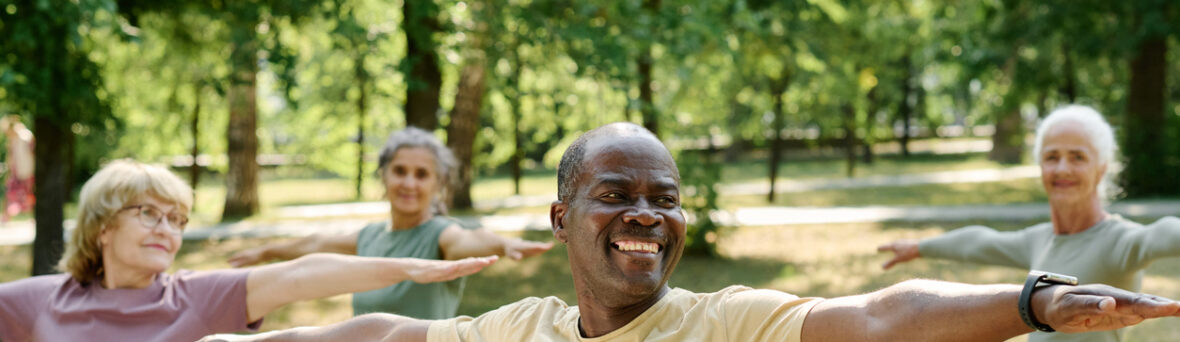
practicing Tai Chi with early morning
sunrise is more than sublime.
For the energies of the Dao
enable elders to physically feel how
breath and blood of the body, flowing in harmony,
promote health and healing, here and now.
For those born and raised before Richard Simmons and Jane Fonda emerged as popular TV exercise teachers, Jack LaLanne dominated the airwaves for decades. He charmed and motivated many, including my mother. Founded on basic stretching, calisthenics, and some isometrics and light weight lifting, he offered a simple, inexpensive, and enjoyable entry point into the world of health and fitness. My mother, now 98, was hooked for life, keeping her fit, active, and maintaining a healthy weight. She now practices mostly very low-impact exercises including Hatha yoga and tai chi.
Healthcare professionals can play a powerful role in motivating and empowering patients to exercise by delivering clear, individualized guidance, and fostering a supportive, collaborative relationship. Here are a few things clinicians can discuss with patients to help them get started:
1. Ask open-ended questions to elicit the patient’s own reasons for exercising to boost intrinsic motivation.
2. Set realistic, achievable goals together to foster confidence through small wins.
3. Offer specific, adaptable activity options such as walking, chair exercises, or swimming.
4. Suggest opportunities for social support, for example attending group classes or finding a walking partner.
5. Celebrate progress at follow-ups.
5. Have a list of exercise resources at local community and senior centers on hand to share with them.
This piece expresses the views solely of the author. It does not necessarily represent the views of any organization, including Johns Hopkins Medicine.