
Takeaway
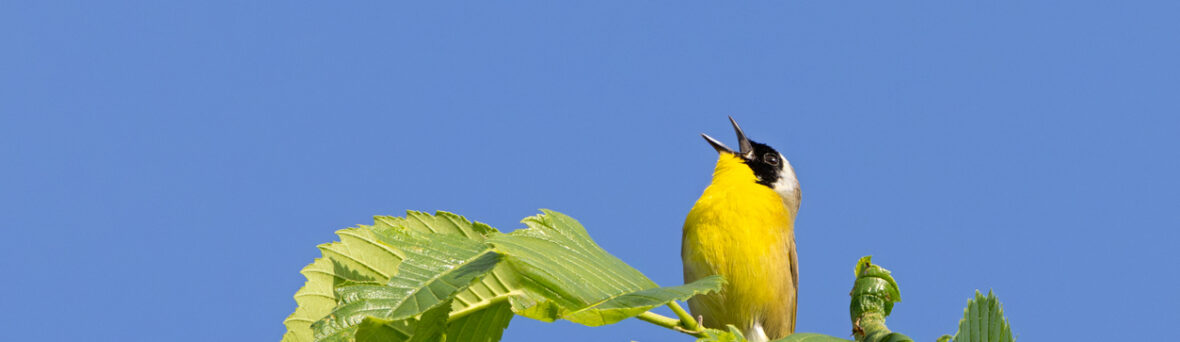
After my health crisis, spending time outdoors—identifying birdsong from my deck, hiking, and growing native plants—helped restore my health and mood. With patients, consider recommending regular walks in parks to reduce stress.
Lifelong learning in clinical excellence | December 5, 2025 | 2 min read
By Jennifer Janus, MD, Johns Hopkins Medicine
Like most Gen-Xers, I grew up spending copious amounts of time outdoors. Video games didn’t make it onto the scene until I was in high school, and the lack of supervision my generation is famous for meant many, many hours roaming in outdoor spaces. I knew where the best places were to hunt crayfish, sit in a cave created by the root system of a giant uprooted tree, pick wineberries, or catch fireflies.
Of course, moving to a city for college, then attending medical school and residency, followed by parenting and work demands, led to feeling disconnected from Nature. Then I faced a divorce, followed a few years later by a health crisis. I discovered that I felt better when I spent time on my back deck, learning to identify bird songs. Slowly I began to explore hikes in my area, which became a way to challenge myself to increasing levels of physical activity. I developed a passion for native plants, a very mindful practice for me. I lost weight, exercised, and made new friends on outdoor-focused Facebook groups and a local environmental group.
The change in my health and well-being brought about by Nature was profound. And there’s a lot of science to back up the fact that time in nature is beneficial to health: it can lower blood pressure, increase heart rate variability (a sign of high vagal tone), decrease cortisol levels, and lead to reports of reduced levels of anxiety. It can also be a gateway to implementing many of the tenets of Lifestyle Medicine: exercise, stress management, and social connection.
How many of our patients want to take fewer meds, have less day-to-day pain, and have an outlet for stress, but have heard about diet and exercise ad nauseum and just can’t make it stick? The next time you’re flummoxed by what to recommend, consider prescribing nature exposure. You can keep reference materials handy for local outdoor-focused groups (e.g Audubon Society, state ornithological societies, environmental organizations, and Walk with a Doc.) and nearby state and county parks. It may just be the first of a series of steps to better health!
Further reading: For an excellent overview of the scientific studies related to nature exposure and health, see Florence Williams “The Nature Fix.”
Click here to learn more about Dr. Janus.
This piece expresses the views solely of the author. It does not necessarily represent the views of any organization, including Johns Hopkins Medicine.