Skip to content
C L O S L E R
  • Creative arts in medicine
  • Connecting with patients
  • Passion in the medical profession
  • Lifelong learning in clinical excellence
  • Topic Search
  • About Us
  • Our Team & Partnerships
  • Contact
  • Add Your Voice
  • Twitter
  • Facebook
  • LinkedIn
  • Instagram
  • YouTube
Subscribe
C L O S L E R
Moving Us Closer To Osler
A Miller Coulson Academy of Clinical Excellence Initiative
Johns Hopkins Medicine Logo
Creative arts in medicine
Connecting with patients
Passion in the medical profession
Lifelong learning in clinical excellence
Topic Search

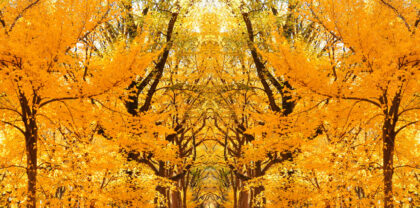
Central Park, New York City

November 24, 2025 | 3 min read

Nature Rx 

For improved mood and lower stress, consider prescribing exposure to nature—urban parks and leafy sidewalks are free, accessible options. Try spending time there yourself, too. 

March 20, 2023 | 4 min read

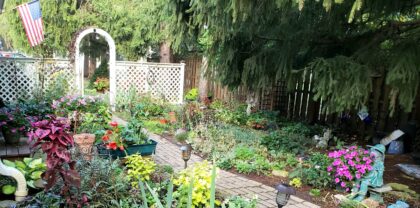
Lazy gardening

By Ken Koon Wong, MD, Cleveland Clinic, Naomi Tyree, MD, Summa Health, Ohio

Talking about shared interests, such as gardening, is a wonderful way to deepen relationships with patients. 

December 5, 2025 | 2 min read

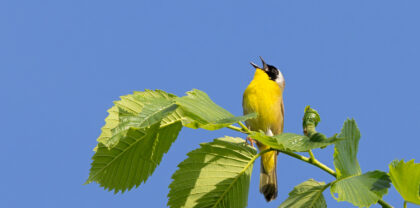
Backyard medicine

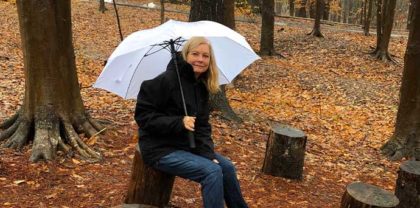
After my health crisis, spending time outdoors—identifying birdsong from my deck, hiking, and growing native plants—helped restore my health and mood. With patients, consider recommending regular walks in parks to reduce stress. 

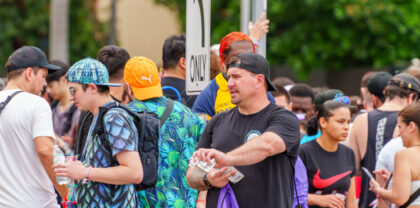
Miami, FL, USA - March 23, 2024: Passing out Narcan nasal spray at the Ultra Music Festival Miami.

April 23, 2024 | 1 min read

Outside the clinic walls: making Narcan accessible to everyone

Addiction is a chronic disease that requires a combined approach of medical treatment and community engagement. Clinicians must work to educate their community about addiction and provide them with resources like Narcan.

Photo by David Kopacz.

March 9, 2022 | 6 min read

Being a naturalist to improve the health of all

By David Kopacz, MD, University of Washington

Listening and closely observing patients, in the way we appreciate and notice nature, can promote humanistic care and clinician well-being.

February 17, 2025 | 1 min read

Educating patients about OCD 

By Ghida Kassir, MD, University of Toronto, Canada

Clinicians can help patients with OCD understand the condition by emphasizing that intrusive thoughts are symptoms, not character flaws, and that compulsions, though temporarily relieving anxiety, ultimately perpetuate the cycle. 

December 21, 2023 | 2 min read

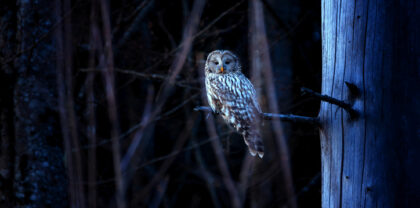
Night owls

By Sara Benjamin, MD, Johns Hopkins Medicine

When patients say they often feel drowsy during the day, discuss a sleep routine that fits with their schedule. And remember to screen for sleep apnea. 

August 22, 2023 | 4 min read

HeART And Soul

By Jonathan McFarland, Medical Humanist, Autonomous University of Madrid & University of Pompeu Fabra

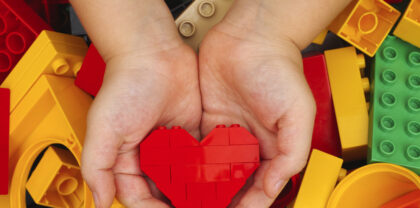
Incorporating the arts into patient care may be a step toward infusing compassion into what can be a dehumanizing healthcare environment. 

July 26, 2022 | 2 min read

Sharing One More Pint

By Avani Prabhakar, MBBS, MPH, Johns Hopkins Medicine

When caring for a cancer patient who lived days longer than expected, I learned to be humble in my prognostications and to help patients receive “extra” moments of life as gift. 

March 7, 2022 | 3 min read

How to Help Patients Navigate Complex Medication Regimens

By Howard Chang, Medical Student, Johns Hopkins Medicine

Open-ended questions can help clinicians better understand the challenges faced by patients on complex medication regimens.   

August 15, 2023 | 2 min read

The Importance of Humanities in Medicine

By Mike McCarthy, MD, Johns Hopkins Medicine

Engaging with and studying the humanities can help us give better patient care. Literature, art, and history remind us that patients are whole persons with lives that exist beyond medical problems. 

November 15, 2021 | 1 min read

Healthy Social Media Use

By Nicole Cifra, MD, MPH, University of Rochester

Talk with patients about their social media use. Remind them to limit screen time before bed in order to sleep well and stay healthy.

November 17, 2021 | 3 min read

Awe in The Midst of Medicine

Pausing, reflecting, and savoring moments of awe can balance the frequently overwhelming demands of clinical care.

February 1, 2023 | 1 min read

Patience With Patients

By Will Frye, PhD, Johns Hopkins All Childrens, St. Petersburg, Florida

Consider the challenges you experience when trying to make changes in your daily habits. Remember to praise your patient’s progress no matter how small. 

July 9, 2020 | 1 min read

The Return of House Calls

By Sajida Chaudry, MD, MPH, Johns Hopkins Medicine

Listening and looking closely when visiting with patients virtually in their homes can give us a more holistic picture of their lives and support systems.

December 4, 2025 | 3 min read

Winter humbles the leaves 

Balance diagnostic exhilaration with goals-of-care conversations centered on the values of the patient and family. 

September 20, 2022 | 2 min read

When And How to Self-disclose

By Meher Kalkat, medical student, Johns Hopkins Medicine

Sharing our own mental health experiences is often discouraged. Sometimes, disclosure may help you connect more deeply with others. 

July 20, 2021 | 2 min read

3 lessons on clinical excellence from the oncology clinic

By Sajya Singh, Medical Student, Johns Hopkins Medicine

While shadowing clinicians in cancer care, I learned the importance of spending time to gather the family history, building trusting relationships, and balancing treatment plans with quality-of-life considerations.

June 23, 2022 | 2 min read

Reflections at The End of a Busy Clinical Year

By Madeline Rodriguez, MD, Johns Hopkins University School of Medicine

Outstanding clinicians are humble, curious, and nonjudgmental. 

June 22, 2022 | 1 min read

Explaining The Risks of Vaping

Prioritize discussions about the long-term consequences of smoking. Be aware that just because someone has quit doesn’t mean that they won’t relapse.

January 27, 2021 | 2 min read

Gin And Tonic—Cultural Footprints of Disease

By Kittane "Vishnu" Vishnupriya, MBBS, Johns Hopkins Medicine

To mitigate incorrect assumptions about patients who have been infected with COVID-19, we must work to spread truths and to minimize inaccuracies—particularly those that may be shameful or demeaning.

June 4, 2025 | 3 min read

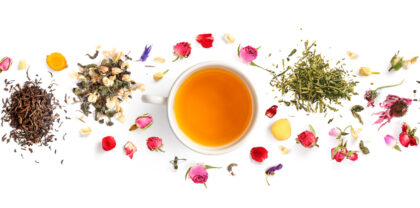
Letting the tea leaves breathe 

Kind gestures, like bringing a patient a cup of tea, may help bridge the gap between suffering and solace. Such thoughtfulness can offer comfort as powerful as any medication. 

May 20, 2025 | 1 min read

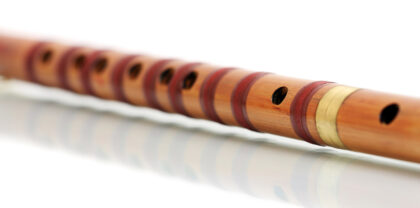
Lessons from the Dizi 

Playing the Chinese bamboo flute has enhanced my ability to listen deeply and enriched my understanding of patients. 

October 21, 2019 | 4 min read

Stepping Up to Climate Change

By Evans Brown, MD, Johns Hopkins Medicine

The climate crisis is directly relevant to our work in healthcare. Healthcare professionals must step up and get involved.

May 6, 2025 | 2 min read

Healing from the emotional toll of a medical error  

Mistakes in patient care are not uncommon. Clinicians can lean on their support systems to recover from stressful events at work. Taking care of yourself enables you to continue giving compassionate care. 

January 16, 2019 | 8 min read

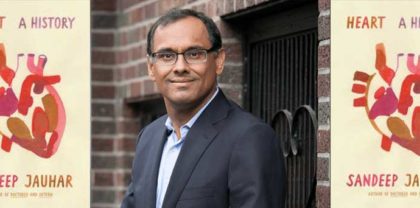
An Ode to the Herculean Heart

"Heart: A History," elevates our appreciation of how our predecessors worked to better patient lives, as well as the psychosocial aspects of heart disease.

January 5, 2019 | 2 min read

Acceptance

By Neda Gould, PhD, Johns Hopkins Medicine

When we practice acceptance in the present moment, we free up energy to see more possibilities. We may notice some clarity in our minds and even less tension in the body. There is freedom in acceptance.

"Mirror." Copyright with Andrew Kwok.

September 14, 2023 | 2 min read

Mirror, Mirror on The Wall

By Andrew Kwok, medical student, Albany Medical College

To become an excellent doctor, I learned to create a personalized medical education plan that plays to my strengths within the formal curriculum.

September 25, 2023 | 5 min read

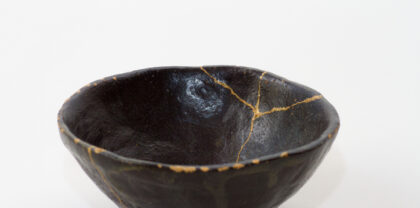
Less is More

By Jonathan McFarland, Medical Humanist, Autonomous University of Madrid & University of Pompeu Fabra

The Japanese concept of wabi-sabi can help us appreciate impermanence and approach death as part of life. 

December 19, 2023 | 3 min read

Spinoza and 21st-century medicine

By Jonathan McFarland, Medical Humanist, Autonomous University of Madrid & University of Pompeu Fabra

I learned about the mind-body connection from the philosopher Spinoza. A holistic clinical approach emphasizes the relationship between mental well-being and physical health. 

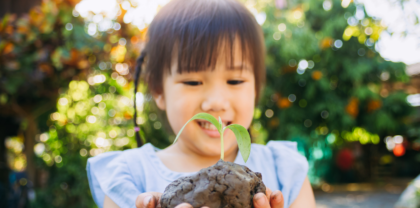
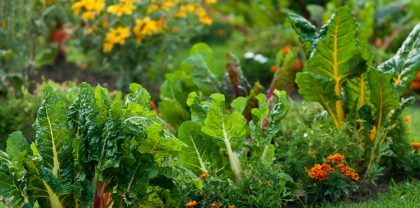
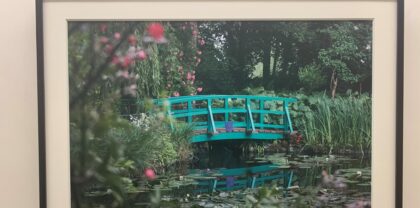
Gardening creates an opportunity to take a mini-rest from the world, connect with nature, and experience the healing power of plants.

April 12, 2021 | 4 min read

Making the Most of Your Daily “Nervous Breakdown”

By David Kopacz, MD, University of Washington

A century ago, a “nervous breakdown” was a socially acceptable way to just take a break and recharge. Now, it’s not. In order to refresh yourself and mitigate burnout, consider scheduling regular time off.

December 12, 2025 | 4 min read

Slow caring: becoming a gardener of the soul and a mechanic of the body 

Balance fast medicine with slow medicine—use the right clinical tool while taking time to nurture the patient’s innate capacity to heal. 

August 11, 2021 | 8 min read

Reclaiming Joy

By Ekene Ojukwu, MD, Johns Hopkins Medicine

When experiencing severe burnout during my intern year, I decided to take a year away from medicine. Upon my return, I was able to bring my authentic self into the work and to partner more effectively with patients.

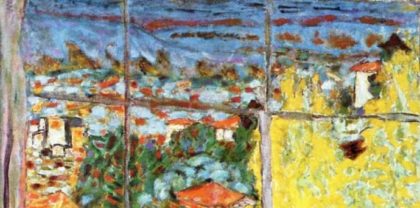
"L'Atelier au mimosa," Pierre Bonnard.

May 13, 2019 | 7 min read

April Art Museum Challenge

By Flora Smyth Zahra, MA Clin Ed, DRestDent RCS, FHEA, Kings College London, Margaret Chisolm, MD, Johns Hopkins Medicine

Slow looking can enable clinicians to see more deeply, think more critically, and engage more meaningfully in patient care. Time spent in a museum supports clinician wellness and nurtures student professional identity formation.

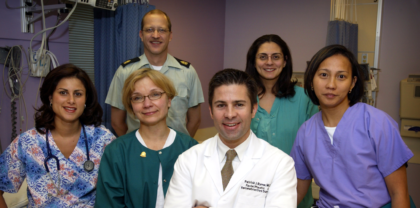
The author with teammates.

August 30, 2018 | 1 min read

The Importance and Psychology of Facial Expression

By Patrick Byrne, MBA, MD, Johns Hopkins University School of Medicine

Carefully noting your patient's facial expression consciously helps you "be" with your patient more effectively, to meet them where they are in their emotional state.

September 17, 2019 | 5 min read

Being Human First

By Kultaj Kaleka, MD, RN, Central Michigan University

Family and friends frequently ask medical trainees for their medical advice. Naturally, our recommendations are not based on medical experience, but rather our shared humanity.

August 21, 2019 | 1 min read

Circle Medicine

By David Kopacz, MD, University of Washington

To care for the whole person we need human-based models of medicine that complement our protocol-based medicine.

Saint Brides Bay (Bae Sain Ffraid), Pembrokeshire, Wales, Author's Photo.

January 24, 2019 | 4 min read

Cultivating Caring

By David Kopacz, MD, University of Washington

Compassion begins with caring for ourselves and working to grow as full human beings. It is not just the lives of our patients that depend on us learning this component of caring, the quality of our own lives depend upon learning this as well.

August 22, 2019 | 3 min read

Leveraging Your Patient’s Strength

By Keri Bischoff, MA, WellBeing Coach partnering with Johns Hopkins

Excellent clinicians discover their patients talents to best deliver both recommendations and personalized care.

White Mountains, New Hampshire.

July 6, 2023 | 3 min read

Peaks And Patients

By Rishab Ramapriyan, medical student, Harvard Medical School

In medicine, as in hiking, learning to be comfortable with uncertainty is one of the most important lessons I’ve learned in my medical training. 

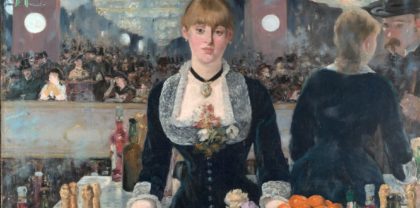
Édouard Manet: "A Bar at the Folies-Bergère," 1881-1882. This is a faithful photographic reproduction of a two-dimensional, public domain work of art. The work of art itself is in the public domain for the following reason: Public domain This work is in the public domain in its country of origin and other countries and areas where the copyright term is the author's life plus 100 years or less.

August 6, 2019 | 7 min read

July Art Museum Challenge

By Flora Smyth Zahra, MA Clin Ed, DRestDent RCS, FHEA, Kings College London, Margaret Chisolm, MD, Johns Hopkins Medicine

The skills required in the clinic are the same as those in the art gallery: to examine, investigate, embrace ambiguity, consider multiple interpretations, reflect, collaborate, and learn.

February 11, 2025 | 6 min read

“The Tao of Medicine” 

By David Kopacz, MD, University of Washington

The clinician's mindful presence and understanding of the patient's full humanity are as crucial to healing as technical skill. Let go of using language to define your experience; instead focus on the wisdom that can be found in the empty spaces between thoughts. 

December 22, 2021 | 4 min read

Maintaining well-being during the holidays 

The holidays can intensify feelings of sadness. Ask patients about mood, sleep, and social support. Offer concrete guidance like maintaining regular sleep and exercise routines and limiting substance use.

April 13, 2023 | 5 min read

Navigating Conversations About Psychedelics With Patients

By Natalie Gukasyan, MD, Johns Hopkins Medicine

There’s been growing interest in the therapeutic potential of psychedelics. This requires that healthcare professionals be well informed and prepared to discuss this experimental therapy.

"Imperial Purple," by Spencer Finch. Photo copyright with the authors.

July 20, 2020 | 6 min read

Art and Connection During COVID-19

By Kamna Balhara, MD, Johns Hopkins Medicine, Sarah Clever, MD, Johns Hopkins Medicine

In a time of physical distancing, stepping out of our comfort zone to find creative and unconventional ways to connect with patients and colleagues can bring us together.

January 12, 2026 | 3 min read

Optimizing interdisciplinary care 

Healthcare is a team sport. When working through conflict within your care team, integrate perspectives to deliver better care. 

May 20, 2020 | 4 min read

Lessons From Ebola Outbreaks

By Linda Mobula, MD, MPH, Johns Hopkins Medicine

Prior epidemics, like Ebola, have taught us much about caring for patients. While PPE creates a barrier between ourselves and our patients, it’s still possible to give excellent care.

July 25, 2024 | 2 min read

Embracing awe

By Sean Goldy, PhD, Johns Hopkins Medicine

Clinicians should encourage patients to take time to notice things that may inspire awe. For patients, this may significantly reduce stress, improve well-being, and foster social connections.

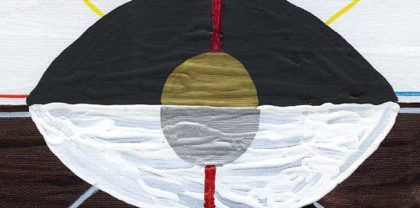
"Shamanic Vision." Original painting by the author. Copyright with the author.

April 2, 2020 | 4 min read

Staying Connected Inside and Out During the Pandemic

By David Kopacz, MD, University of Washington

Finding creative ways to connect to ourselves and to others is more important than ever in these days of social distancing.

untitled, by David Kopacz

July 21, 2022 | 7 min read

Building Cultures of Caring

By David Kopacz, MD, University of Washington

We must care for ourselves to care for others. One great place to start is practicing self-compassion.
Our Mission

Stimulating healthcare professionals and trainees to reflect on giving exceptional care to every patient.
C L O S L E R
  • Twitter
  • Facebook
  • LinkedIn
  • Instagram
  • YouTube
  • Creative arts in medicine
  • Connecting with patients
  • Passion in the medical profession
  • Lifelong learning in clinical excellence
  • About Us
  • Our Team & Partnerships
  • Contact
  • Add Your Voice
  • Subscribe
  • Donate

©2026 Miller Coulson Academy of Clinical Excellence,  Johns Hopkins Medicine.  All Rights Reserved.  Privacy Policy