Skip to content
C L O S L E R
  • Creative arts in medicine
  • Connecting with patients
  • Passion in the medical profession
  • Lifelong learning in clinical excellence
  • Topic Search
  • About Us
  • Our Team & Partnerships
  • Contact
  • Add Your Voice
  • Twitter
  • Facebook
  • LinkedIn
  • Instagram
  • YouTube
Subscribe
C L O S L E R
Moving Us Closer To Osler
A Miller Coulson Academy of Clinical Excellence Initiative
Johns Hopkins Medicine Logo
Creative arts in medicine
Connecting with patients
Passion in the medical profession
Lifelong learning in clinical excellence
Topic Search
March 26, 2026 | 4 min read

Prescription pathways 

Know where your patients fill prescriptions and how those outlets operate—this directly affects medication access. Partner with your clinic’s pharmacist and local pharmacies to resolve barriers and improve patient outcomes. 

November 22, 2021 | 4 min read

Noticing What We’ve Seen Without Seeing

By Ekene Ojukwu, MD, Johns Hopkins Medicine

Carefully observing our patients can lead to clinically relevant insights. Sometimes what seems inconsequential at first glance may be surprisingly significant.

February 20, 2026 | 4 min read

There’s no “AI” in connection

AI can improve efficiency with administrative tasks. Reinvest saved time in building connection with the patient. 

November 29, 2018 | 2 min read

Management Reasoning: Diagnostic Reasoning’s Underappreciated Sibling

By David Cook, MD, MHPE

Management reasoning is primarily a task of shared decision-making and monitoring, and is inherently more complex than diagnostic reasoning. A better understanding of management reasoning will offer insights into the causes and avoidance of medical error, clinical practice quality improvement, and training and assessment of health professionals.

"Enlightenment," by David Kopacz, 2020.

December 28, 2020 | 6 min read

Medical Activism: A Foundation of Professionalism

By David Kopacz, MD, University of Washington

Clinicians should expand their definition of professionalism to include working for societal change to improve the health of all.

"Our medical training leaves us ill-equipped to manage feelings associated with this uncertainty, especially the shame that often accompanies a medical error."

April 15, 2021 | 3 min read

To Err is Human

By Linda Lee, MD, Johns Hopkins Medicine

Being honest with patients about errors can help ease their pain and preserve the patient-clini​cian relationship.

August 26, 2024 | 2 min read

The Argentinian way

By M. Carolina Musri, MD, Johns Hopkins Medicine

In Argentina, I learned that relationship-building in medicine is paramount. With patients, talking about anything non-medical can deepen a connection. With coworkers, sharing lunch every day can help reduce stress and improve well-being.

September 12, 2023 | 2 min read

The Gift of Time

By Meshulam Twerski, medical student, Penn Medicine

Medical students have more time than doctors to get to know patients as people and uncover unspoken fears about their illness and treatment. 

January 27, 2026 | 3 min read

Mindset matters 

Adopt a growth mindset—treat setbacks and mistakes as data for learning. Ask “What can we learn?” rather than “Who failed?” to help build psychological safety within your healthcare team.

November 12, 2025 | 2 min read

Paternal insight 

My patient’s father reminded me that exceptional care goes beyond knowledge—it’s also the humility to admit uncertainty and the skill to forge collaborative partnerships with patients and families. 

March 7, 2022 | 3 min read

How to Help Patients Navigate Complex Medication Regimens

By Howard Chang, Medical Student, Johns Hopkins Medicine

Open-ended questions can help clinicians better understand the challenges faced by patients on complex medication regimens.   

"Chrysantheme und Biene." Hokusai, K. (ca. 1832). Public domain, Wikimedia.

September 22, 2021 | 8 min read

The Role of Visual Thinking Strategies Coaching in Clinical Excellence

By Margaret Chisolm, MD, Johns Hopkins Medicine

Take an appreciative approach when giving feedback to learners. It will not only build clinical skills, but will also foster a healthy community of learning and practice.

December 29, 2020 | 4 min read

Lessons From “Diary of a Med Student”

By Howard Chang, Medical Student, Johns Hopkins Medicine

Working in healthcare, we interact with people who can be offensive. A med student reflects on how best to respond to patients who are demeaning.

February 25, 2025 | 3 min read

The weight of autonomy

Respecting patient autonomy means honoring their decisions even when they go against clinicians' medical judgment.

July 23, 2025 | 2 min read

Denial difficulties 

Patients are often faced with automatic denials from insurance companies. When advocating for patients, healthcare professionals can stay calm, present facts clearly, and prioritize the patient’s best interests. 

April 23, 2025 | 3 min read

Teamwork Rx

Medical team huddles are a powerful practice to foster unity. This routine promotes teamwork, collaboration, and respect. 

September 25, 2018 | 1 min read

Teaching Maintains Clinical Excellence

By Michael Crocetti, MD, MPH, Johns Hopkins Community Physicians

Engaging with learners keeps you dedicated to lifelong learning, and teaching helps to maintain clinical excellence and the joy of medicine.

July 23, 2019 | 3 min read

Engaging Care Partners in Communication

By Antonio Wolff, MD, Johns Hopkins University School of Medicine, Jennifer Aufill, BA, Johns Hopkins Bloomberg School of Public Health, Jennifer Wolff, PhD, Johns Hopkins Bloomberg School of Public Health

Families and friends are valuable resources. These partners in care can help clinicians improve quality of care and patient outcomes.


January 11, 2023 | 3 min read

Joy in Primary Care 

By Jane Abernethy, MD, MBE, Johns Hopkins Medicine

Meaningful longitudinal primary care relationships with patients are fulfilling and rewarding. Modeling for trainees that this career path can be gratifying and fun is vital. 

February 27, 2020 | 3 min read

How to Survive Medical Litigation

By Kimberly Turner, MD, Johns Hopkins Community Physicians

Even excellent clinicians can be sued for malpractice. This stressful event can be managed and overcome.

July 30, 2018 | 1 min read

What’s a book club doing at a medical conference?

By Scott Wright, MD, Johns Hopkins Medicine

Join a book club or start a book club - in either your professional or personal context. You'll be glad you did!

October 26, 2020 | 1 min read

8 Ways to Manage Election Stress

By Neda Gould, PhD, Johns Hopkins Medicine

Mindfulness strategies can help clinicians and patients alike to ease election-related anxiety and promote positive mental health.

The author having fun ice skating with colleagues at Patterson Park, Baltimore, Maryland.

February 25, 2019 | 5 min read

General Internal Medicine: An Opportunity to Engage Holistically

By Paul O'Rourke, MD, MPH, Johns Hopkins University School of Medicine

General internal medicine focuses on the importance of knowing and treating the whole patient. The entire patient, in their biopsychosocial context, must always be considered to provide high-quality, patient-centered care.

June 25, 2025 | 4 min read

Who’s visited you? 

The presence of loved ones at the bedside can anchor and orient older patients. In their absence, the medical team should collaborate thoughtfully with the interprofessional team to provide social and emotional support. 

February 12, 2019 | 6 min read

The Balancing Act: Learning to Thrive in Multipatient Environments

By Alim Pardhan, MD, McMaster University, Ken Van Dewark, MD, University of British Columbia, Teresa Chan, MD, McMaster University

We must ensure junior doctors can give one patient excellent care before asking them to balance caring for more than one patient.

November 7, 2023 | 3 min read

Speaking Our Patients’ Language

By Abbey Becker, LMSW, Johns Hopkins Medicine

Clinicians must meet patients where they are. Determining their health literacy levels is a critical part of care that sometimes gets overlooked. 

April 8, 2025 | 3 min read

“Can you help me die?” 

By Carolyn Rennels, MD, University of San Francisco

When a patient asks about medical assistance in dying, prioritize deep listening and exploration of fears and hopes over immediate procedural responses. This can help reassure them that you’ll accompany them to the end. 
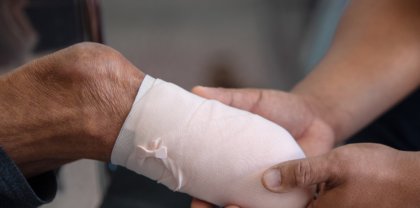
Asking about stress levels, mood, sleep quality, and coping strategies in routine medical discussions can provide insight into a patient’s emotional well-being and open the door for further discussion. 

March 31, 2025 | 2 min read

Care of the mind 

By Paige Seegan, PhD, Johns Hopkins Medicine

By proactively discussing mental health, using non-stigmatizing language, and having a list of resources on hand, healthcare professionals can help patients get the support they need. 

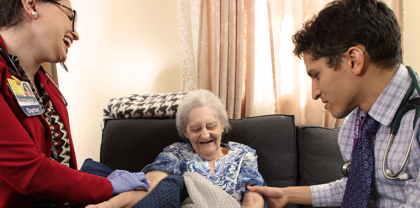
Mattan Schuchman and colleague caring for a patient in her home.

June 21, 2018 | 6 min read

How Home Ventilator Care Helped My Patients

By Mattan Schuchman, MD, Johns Hopkins University School of Medicine

Learning how to work with patients on ventilators at home has been a gratifying challenge.

October 16, 2025 | 4 min read

Prescribing humility 

Standard of care is provisional—reassess therapies as evidence evolves. Be open to changing your thinking and practice as new data emerge. 


October 2, 2024 | 1 min read

Pain management: a perspective from a doctor in Kuwait 

Pain and suffering are ubiquitous. Observing approaches and practices in the U.S. highlighted for me the importance of open dialogue, patient empowerment, and multimodal approaches.   

February 11, 2020 | 2 min read

Moving Mountains

By Susan Huff, RN, MSN, Johns Hopkins Homecare Group

In end of life care, excellent clinicians can and should move mountains to get patients home if that's where they want and need to be.

January 23, 2026 | 3 min read

Unconscious bias in weight management 

Excellent weight management care includes asking what patients have already tried and what barriers they face. Then offer evidence‑based options, including behavioral supports. 

Clinician self-disclosure must be done thoughtfully if it is to strengthen the root of the patient-doctor relationship.

January 18, 2021 | 5 min read

The Pros and Cons of Clinician Self-disclosure

By Howard Chang, Medical Student, Johns Hopkins Medicine

Clinician self-disclosure, if done thoughtfully, may help some patients feel better understood and strengthen the patient-doctor relationship.

September 17, 2024 | 1 min read

Navigating drug shortages

By Carmen Lopez-Arvizu, MD, Johns Hopkins Medicine

In the face of drug shortages, clinicians must become proactive resource navigators. By staying informed, collaborating with patients, and exploring alternative solutions, clinicians can help mitigate the negative impact of shortages.

September 23, 2019 | 3 min read

How to Manage Chronic Pain and Opioids

By Ryan Graddy, MD, AbsoluteCARE Medical Center, Atlanta, Georgia

Safe opioid stewardship is a key objective when managing chronic pain. Combining evidence-based strategies and compassionate care can help you to realize these goals.

Miami, FL, USA - March 23, 2024: Passing out Narcan nasal spray at the Ultra Music Festival Miami.

April 23, 2024 | 1 min read

Outside the clinic walls: making Narcan accessible to everyone

Addiction is a chronic disease that requires a combined approach of medical treatment and community engagement. Clinicians must work to educate their community about addiction and provide them with resources like Narcan.

February 5, 2025 | 1 min read

Pathological hiccups

Sometimes benign symptoms can herald more serious problems. Being ready and willing to reconsider initial impressions is crucial for accurately discovering the underlying etiology.

November 17, 2022 | 2 min read

Personalized Clinical Quality Improvement

By Jeffrey Krimmel-Morrison, MD, University of Washington

Use evidence-informed practices in your self-directed learning—build a case tracking system, work simulated cases, use quizzing, and seek new evidence efficiently. 

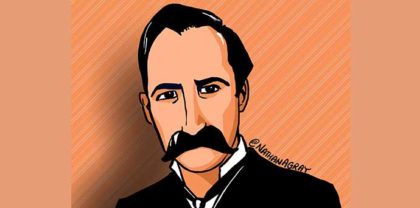
Dr. William Osler. Copyright belongs to the artist, Dr. Nathan Gray. We thank him for his generosity in sharing his illustration with us.

November 25, 2019 | 2 min read

A Tribute Sir William Osler

By John Launer, MD, London, United Kingdom

Enjoy highlights from the latest issue of the Postgraduate Medical Journal to mark the centenary of Sir William Osler’s death.

April 3, 2025 | 3 min read

The unknown variable 

By Eve Glenn, ScB, medical student, Johns Hopkins Medicine

Providing excellent patient care requires being in the liminal space between scientific certainty and human ambiguity. This is a place from which to bear witness to suffering with both intellectual curiosity and deep empathy. 

May 17, 2018 | 2 min read

How To Avoid Complacency in Diagnosis

By Michael Crocetti, MD, MPH, Johns Hopkins Community Physicians

Top tips to avoid complacency when faced with a common clinical presentation that may have an uncommon medical diagnosis.

October 21, 2024 | 2 min read

Micro-kindness, macro-impact

By Sadiqua Sadaf, MBBS, Deccan College of Medical Sciences, Hyderabad, India

To make others feel like they belong, practice small acts of kindness—for example, offering a warm greeting. Such efforts can significantly contribute to another's well-being.

Contact

We’d love to hear from you! You can reach Gretchen Miller, Managing Editor, at gmille58@jh.edu. We’re based out of the Johns Bayview Medical Campus in Baltimore, Maryland.   Our snail mail address is: Scott Wright, MD, Executive Editor Johns Hopkins Bayview Medical Center 5200 Eastern Ave Mason F. Lord Center Tower Suite 2300 Baltimore, MD 21224  

August 23, 2023 | 1 min read

Navigating the wait (archives, 2023)

By Jennifer Katzenstein, PhD, Johns Hopkins Medicine

Accessing timely mental healthcare can be challenging. While waiting to see a mental health professional, lean on support networks and seek emergency care if needed. 

June 27, 2024 | 2 min read

Lessons from earlier in life: from public school teaching to doctoring  

By Tyler Mains, MD, University of California, San Francisco

I apply the principles I learned as a public school teacher to patient care: asking insightful questions, seeing the whole person, and fostering motivation for positive change. 

September 9, 2025 | 2 min read

Lessons from osteopathic training 

Osteopathic medicine’s holistic approach offers opportunities for individualized and effective care. Integrating an appreciation of the mind-body-spirit connection, for example, encourages a deep understanding of the unique goals and challenges each patient faces. 

December 26, 2018 | 1 min read

How to Ensure Patient Access During the Holidays

By Michael Crocetti, MD, MPH, Johns Hopkins Community Physicians

The holidays can be a stressful time for both patients and clinicians. Here are a few ideas to ensure stress-free access to care for patients, and tips for everyone to stay healthy and rested.

October 8, 2018 | <1 min read

Alleviating Patients’ Emotional Burden

By Paul Manson, MD, Johns Hopkins University School of Medicine

My approach to clinical care involves making a dual diagnosis for each patient: identifying the problem, and understanding how that problem affects the patient psychologically and emotionally.

"Corridor in the Asylum," Vincent van Gogh, 1889. The Met Museum.

March 5, 2018 | 3 min read

Demystifying Psychiatry

By Margaret Chisolm, MD, Johns Hopkins Medicine

Demystifying psychiatry for patients is the heart of my work. In its existential aspects, psychotherapy calls for the imagination of alternative possibilities.

Our Mission

Stimulating healthcare professionals and trainees to reflect on giving exceptional care to every patient.

C L O S L E R
  • Twitter
  • Facebook
  • LinkedIn
  • Instagram
  • YouTube
  • Creative arts in medicine
  • Connecting with patients
  • Passion in the medical profession
  • Lifelong learning in clinical excellence
  • About Us
  • Our Team & Partnerships
  • Contact
  • Add Your Voice
  • Subscribe
  • Donate

©2026 Miller Coulson Academy of Clinical Excellence,  Johns Hopkins Medicine.  All Rights Reserved.  Privacy Policy