May 15, 2018 | 1 min read Gratitude as an antidote to burnout By Jennifer Janus, MD, Johns Hopkins Community Physicians By focusing on the positive aspects of medicine, clinicians reduce stress and provide more compassionate care. Happy Thanksgiving!
June 25, 2026 | 2 min read Authentic gratitude Expressing gratitude authentically strengthens relationships and creates meaningful human connections. Thoughtful recognition of the efforts of another can transform routine interactions into moments that nourish both giver and receiver.
January 2, 2025 | 2 min read Gratitude and goodbyes By Leslie Miller, MD, Johns Hopkins Medicine The privilege of longitudinal care is witnessing patients grow and evolve over time. Saying goodbye to patients can be filled with both sadness and immense gratitude for the opportunity to have been a part of their lives.
January 2, 2024 | 1 min read Thank you lessons By Gail Berkenblit, MD, PhD, Johns Hopkins Medicine When patients express thanks, they teach us what matters most to them. They often mention careful listening and conveying empathy and compassion.
November 25, 2025 | 1 min read Roses and renewal Appreciating “thank yous” and other signs of gratitude from patients can be restorative. These gifts can be a reminder of the privilege that we have in caring for patients.
Mykonos, Greece August 13, 2025 | 2 min read Gaining perspectives Travel fosters curiosity and open-mindedness. Encountering diverse cultures can encourage healthcare professionals to remember the value of asking better questions, avoiding assumptions, and appreciating the individuality of each patient.
January 9, 2026 | 2 min read Rule three: Be grateful always Consider practicing daily gratitude—like noticing small acts of kindness—to strengthen empathy, buffer burnout, and reconnect to your professional “why.”
June 6, 2025 | 3 min read Thank you “notes” Despite the often overwhelming pace of medicine, remember that a genuine "thank you" to a patient or coworker can be powerful. It acknowledges the profound gifts of trust, collaboration, and shared humanity that underpin all healing and connection.
November 7, 2018 | 3 min read How to Reduce Caregiver Burden By Jessica Colburn, MD, Johns Hopkins University School of Medicine Healthcare providers have the ability to provide support, connection, and resources that can help to reduce caregiver burden and increase caregiver joy.
December 3, 2025 | 3 min read Gravity, purpose, and “Stranger Things” During career transitions, clarify your purpose, establish routines, and schedule regular check-ins with peers or mentors to stay grounded and focused.
April 27, 2023 | 1 min read Love Lessons By Jennifer Plotkin, MD, Los Angeles VA I was afraid to connect on a deep level with my patients, concerned that my heart would overpower my head. Such relationships are what make practicing medicine meaningful.
September 15, 2021 | 5 min read Being Grateful for a Difficult Physician-Patient Experience By Margaret Chisolm, MD, Johns Hopkins Medicine A frustrating experience as a patient taught me how to be a better doctor. Lesson #1: Always take an interest in your patient as a person.
February 8, 2023 | 2 min read Taking Time For Pizza By Heather Agee, MD, Johns Hopkins Medicine When possible, take time to share dinner with colleagues and friends. This is a gift we can give ourselves to help decrease work stress.
December 30, 2020 | 4 min read Grateful For #MedTwitter in 2020 By Chase Anderson, MD, University of California San Francisco Despite physical distancing during the pandemic, Twitter is a platform where clinicians around the world can connect. This reduces feelings of isolation and gives support to many.
October 27, 2020 | 3 min read Beyond The CV By Kayla Eboreime, Medical Student, University of Texas Medical Branch There will always be both accolades and critiques that come your way. Neither define who you are. Nourishing your whole self can maintain balance so that you can flourish professionally and personally.
September 8, 2020 | 1 min read 10 Ways to Cultivate Well-being During The Pandemic It's important to make an effort to improve your sense of well-being to help prevent burnout, especially during the strain of the pandemic.
July 7, 2026 | 5 min read The lifelong learning of saying goodbye Saying farewell is sometimes a necessary part of practice. When appropriate, honor feelings of grief in yourself and your patients.
July 31, 2025 | 3 min read “What would you do?” Beyond giving facts to patients, informed consent is an opportunity to understand patients’ truest concerns. Shared decision-making isn't just a conversation—it's about building a trusting relationship that empowers the patient.
November 29, 2023 | 2 min read Staying grounded in these times By Gretchen Miller, Managing Editor, Neda Gould, PhD, Johns Hopkins Medicine The news can feel overwhelming. To maintain a sense of well-being while staying informed, limit media consumption and find a mindfulness practice that works for you.
August 14, 2023 | 3 min read Accentuate The Positive By Megan Gerber, MD, MPH, Albany Medical College Sometimes interactions with patients may feel challenging. Expressing gratitude to patients for positive encounters may help reduce stress and bring joy.
May 31, 2022 | 2 min read 3 Good Things By Richard Wardrop , MD, PhD, Cleveland Clinic Spring is a time of graduations, assuming new roles, and career transitions. It’s also a time to practice gratitude, lead, and strive for excellence.
October 22, 2020 | 2 min read Patient voting matters By Patrick Hemming, MD, Duke University Clinicians are in a position of influence and can encourage patients to vote. Expressing confidence in patients’ ability to make a difference as a voter may motivate them to take action.
August 25, 2020 | 4 min read A Real Hero and a Real Human Being By Andrew Philip, PhD, Primary Care Development Corporation The pandemic has created more stress for everyone, including healthcare professionals. Finding a relaxing activity to practice regularly can help you persevere.
Audrey Hepburn. Photo by Bud Fraker, 1956. Public Domain. August 24, 2020 | 4 min read A Calling to Medicine From Hollywood By Jade Cobern, MD, Johns Hopkins Bloomberg School of Public Health Whoever thought watching Turner Classics could inspire a career in medicine? Reflecting on what drew you to healthcare may restore your sense of purpose.
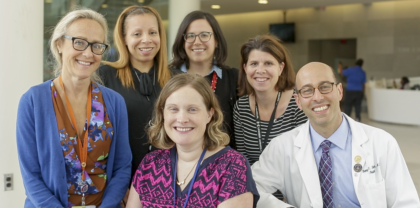
Dr. Barry Solomon and his team work to create a safe space for teens at their practice. April 12, 2018 | 3 min read Creating a Safe Space For Teen Well Visits By Barry Solomon, MD, MPH, Johns Hopkins University School of Medicine Providing excellent care for adolescents includes creating a safe space for confidential discussions. The clinically excellent pediatrician is able to help support the teen to share sensitive concerns with parents and caregivers.
July 16, 2020 | 3 min read Being Human By Kamala Tamarisa, MD, Southlake, Texas When you notice that something is amiss with a patient or your reaction to them feels off, this is a clue to dig deeper. With time and enhanced trust in the doctor-patient relationship, things usually become clear.
Mollie, a superhero therapy dog who works with the author's pet therapy team. Copyright by the author. April 27, 2020 | 1 min read Therapy Dogs—Giving Joy Virtually By Stephanie Cooper Greenberg, Johns Hopkins Pet Therapy Program In this time of waiting, many therapy dog programs share love and gratitude virtually—sending silly pictures, sweet thoughts, and getting ready for the day when they can visit in person once again.
May 13, 2026 | 2 min read Six ways to stay calm during uncertain times By Neda Gould, PhD, Johns Hopkins Medicine Uncertainty sometimes triggers anxiety that can impair daily functioning. Remind yourself to come back to the present using a phrase such as "This moment is the only reality" or "One moment at a time."
March 12, 2020 | 4 min read What I learned from my primary care mentors By Colleen Farrell, MD, New York University All of us can learn from primary care clinicians, who know that listening, compassion, and connection are the foundations of clinical excellence.
February 24, 2020 | 1 min read “StoryCorps” Moments By Sharon Solomon, MD, Johns Hopkins Medicine Taking the time to listen to patients' stories validates the humanity that is integral in the practice of medicine. It also can create meaning and bring joy within the patient-clinician dyad.
October 30, 2019 | 13 min read Partnering With Parents—An Appraisal of Familial Feelings By Monique Webber The clinically excellent clinician understands that each family responds to and copes with chronic illness or disability differently. Being open-minded when partnering with families, and especially parents, is critical for ensuring a trusting relationship and providing support.
October 10, 2019 | 2 min read Our Greatest Teachers By Vivek Murthy, MD, Johns Hopkins University School of Medicine To find meaning in your clinical work, search for the words and moments that affirm your shared humanity with patients.
"Sun Rise," by David Kopacz. August 8, 2019 | 2 min read The Circle of Re-Humanizing Medicine By David Kopacz, MD, University of Washington We need human-based medicine in conjunction with evidence-based medicine. If we only identify as scientists and not as healers, we risk dehumanizing our patients and ourselves.
July 24, 2019 | 3 min read Time, Talent, and Treasure By Jennifer Foster, MD, MBA, Florida Atlantic University Excellent clinicians always strive to make human connections with their patients. This creates the foundation of trust and respect essential to healing.
May 12, 2026 | 4 min read Lessons learned from my journey through depression By Shannon Scott-Vernaglia, MD, Mass General Being a patient taught me patience, with myself, with those I care about, and with those I care for as physician.
April 10, 2019 | <1 min read Dr. Steven Frank, A CLOSLER Look By Gretchen Miller, Managing Editor Enjoy a three-minute video interview with anesthesiologist Steven Frank, MD, on what he learned from being a patient himself, and his gratitude for his entire team.
Author's photos, including a photo of the portrait of Anna (center). March 6, 2019 | 1 min read Calling Card for the Soul By Stephanie Cooper Greenberg, Johns Hopkins Pet Therapy Program Pets hold a special place in all of our hearts. To connect with patients and to show genuine interest, ask them about their pets. You may be surprised how much you will learn about your patient including who they are, what matters to them, and what they love.
October 9, 2018 | 2 min read Five Authors to Follow Reading for a few minutes before bedtime is a calming habit, and a great way to fit in a few words from inspiring authors to fuel your practice.
July 9, 2026 | 3 min read Hearts and minds Psychological tools can help improve cardiovascular health. Consider starting patients with simple daily practices like gratitude journaling and mindful breathing alongside standard care.
July 2, 2026 | 3 min read The other side of the stethoscope My rare spinal tumor required complex surgery at Johns Hopkins, where I’m a faculty physician. The experience reminded me that while technology saves lives, empathy and compassionate presence sustain patients through their darkest moments.
May 14, 2026 | 2 min read “All I really need to know I learned in kindergarten” A retired teacher thanked me at discharge—not for optimizing her diuretics, but for asking about her late husband. Some of the earliest lessons we learn, including being kind, listening, and saying you're sorry, aren't just nice gestures—they're essential for providing excellent care.
"Melanoma 9," by David Kopacz. March 31, 2026 | 4 min read Illness as teacher My experience with melanoma and subsequent autoimmune illness is a stark reminder for us all to validate patients’ experiences. This can help us avoid dismissing patient concerns.
March 4, 2026 | 1 min read Applying ideas from the book “The Slight Edge” to medicine You don’t need to make big changes to improve your clinical practice—instead, try adopting a few new daily micro‑habits—such as two‑minute follow‑up calls or using teach‑back. Lo and behold, these may lead to deeper relationships and better health outcomes for patients.
January 6, 2026 | 2 min read The sacred art of care Let compassion guide your words and touch in every encounter. Kindness and empathy earn trust while facilitating patients’ healing.
October 15, 2025 | 3 min read Mea culpa When speaking with a patient who was upset about the long wait time, I reminded myself to apologize without excuses and center the patient’s reality over my schedule.
September 15, 2025 | 6 min read How to support LGBTQ+ patients Amid increasing anti-LGBTQ+ legislation, clinicians have an ethical duty to provide inclusive care. Read on for how to create welcoming environments in clinic and connect LGBTQ+ patients with appropriate resources.
August 4, 2025 | 3 min read Bearing witness We often see the disparities in our world on display in the exam room. While we can’t make life fair, we can listen to patients’ stories and honor their experiences.
February 24, 2025 | 2 min read Listening to find answers By Michael Albert, MD, Johns Hopkins Medicine To more accurately arrive at the diagnosis, it is generally wise to believe patients’ recounting of their symptoms and experiences. This can result in uncovering medical conditions that are sometimes labeled as being more generalized—like anxiety—and lead to improved patient outcomes.
November 18, 2024 | 3 min read Starting from scratch By Erica Richards, MD, Johns Hopkins Medicine Eliciting detailed stories about patients’ experiences is invaluable in healthcare. Approaching history-taking in a thorough manner allowed me to discover that a brain tumor was causing a patient’s psychiatric symptoms.
October 30, 2024 | 1 min read More than words By Jeffrey Millstein, MD, Penn Medicine As depicted in the drama “From Scratch,” body language may often transcend words as expressions of empathy. Healthcare professionals should remain aware of how expressions, postures, and gestures can affect the ongoing conversation.