Skip to content
C L O S L E R
  • Creative Arts in Medicine
  • Connecting with Patients
  • Passion in the Medical Profession
  • Lifelong Learning in Clinical Excellence
  • Topic Search
  • About Us
  • Our Team & Partnerships
  • Contact
  • Add Your Voice
  • Twitter
  • Facebook
  • LinkedIn
  • Instagram
  • YouTube
Subscribe
C L O S L E R
Moving Us Closer To Osler
A Miller Coulson Academy of Clinical Excellence Initiative
Johns Hopkins Medicine Logo
Creative Arts in Medicine
Connecting with Patients
Passion in the Medical Profession
Lifelong Learning in Clinical Excellence
Topic Search
February 19, 2026 | 4 min read

There’s no “AI” in connection

AI can improve efficiency with administrative tasks. Reinvest saved time in building connection with the patient. 

February 24, 2018 | 1 min read

Battling The System in Defense of Diagnosis

By Souvik Chatterjee, MD, Johns Hopkins Medicine

Healthcare delivery is at odds with a fundamental aspect of being a physician—strategic curriculum interventions are necessary to preserve the art of diagnosis.

Boundary Waters Canoe Area Wilderness, Minnesota.

April 14, 2025 | 4 min read

Coping with health system dysfunction 

Healthcare systems place tremendous stress on the workforce; some are trying to make working conditions better. On an individual level, healthcare professionals may be able to reduce burnout by setting boundaries, practicing self-care, and taming perfectionism.  

October 14, 2024 | 2 min read

Beyond the bike lane

By Chris Tiplady, MD, Northumbria Healthcare, England

Healthcare professionals can be strong advocates for communities. This can include working to improve cycling infrastructure, affordable housing, and access to education. 

March 23, 2021 | 2 min read

Helping Patients Navigate The Healthcare System

By Kultaj Kaleka, MD, RN, Central Michigan University

We all share in the responsibility of assisting patients who find themselves in unfamiliar healthcare settings and scenarios. By experiencing some of the challenges our patients face, we can help to make systemic changes that will improve care.

October 19, 2023 | 2 min read

Healthcare for every body

By Stephanie Pham Van, MD, Johns Hopkins Medicine

To make healthcare more welcoming, be sensitive to how patients prefer to be described. Also, find out what tools they might need to access information, for example, voice to text transcriptions. 

March 8, 2021 | 3 min read

How to Talk With The Media

By Stephanie McGann Jantzen, Strategic & Crisis Communications Professional

When speaking with the media about healthcare topics, provide up-to-date information, stick to the facts, and avoid medical jargon.

September 2, 2020 | 4 min read

A Call for Advocacy in Medicine

By Sara Wallam, Medical Student, Johns Hopkins Medicine

Systemic racism is prevalent throughout our society. To dismantle disparities in health outcomes for minority patients, clinicians must advocate for their patients at the local level and for communities on a regional and national scale.

February 25, 2020 | 2 min read

5 Things Clinicians can do to Reduce Drug Prices

By Justin McArthur, MBBS, MPH, Johns Hopkins Medicine

Excellent clinicians prescribe thoughtfully—pruning medication lists, advising patients on how to save money, and advocating for change.

December 19, 2024 | 1 min read

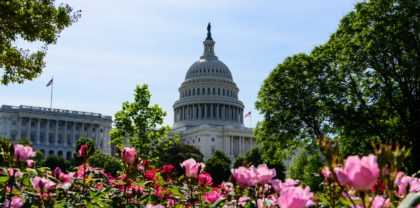
In the aftermath  

By Jeffrey Millstein, MD, Penn Medicine

The murder of a health insurance company CEO has drawn attention to a swell of frustration with America’s healthcare system. Clinicians can extend empathy to patients who suffer simply trying to receive care. 

January 5, 2023 | 1 min read

Quiet Quitting in Healthcare

By Scott Wright, MD, Johns Hopkins Medicine

The past three years have been difficult in healthcare and some are now doing less than we used to. Because this may be a temporary strategy, patience and understanding may be the most considerate approach.  

November 4, 2025 | 2 min read

The way we live 

Lifestyle medicine involves co-creating plans with patients for diet, physical activity, sleep, stress, and social connection. This can have an impact on both prevention and treatment of disease.

October 22, 2025 | 3 min read

Coordination with compassion 

To build an exceptional care team: foster psychological safety, model humility, and solicit input from every person. Daily rituals of respect can sustain excellent patient care. 

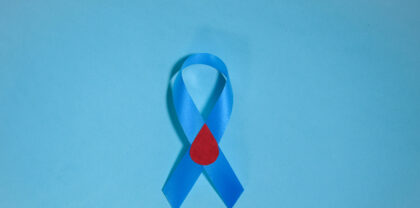
September 25, 2025 | 2 min read

Healing words

By using respectful, person-first language and recognizing the complex realities behind type 2 diabetes, clinicians can avoid stigma. This may also foster trust, empower patients, and improve outcomes. 

October 12, 2022 | 1 min read

Equity and Inclusion: Beyond The Recognition Phase

By Vivian Altiery De Jesus, MD, MBE, Johns Hopkins Medicine

Increasing the diversity of minority clinicians is a first step in combatting racism in medicine. We must also ensure that curricula are free of stereotypes and bias. 

April 28, 2021 | 4 min read

The Social Determinants of Clinician Health

By David Kopacz, MD, University of Washington

When half of clinicians are burned out, we clearly need to fix our workplaces. In the meantime, we also need to care for ourselves, our patients, and each other.

November 18, 2019 | 1 min read

What Characterizes the 21st Century Clinically Excellent Clinician?

By David E. Kern, MD, MPH, Johns Hopkins Medicine

The truly clinically excellent clinician of tomorrow cannot only give excellent care one-on-one to each patient they encounter. They also need to have the knowledge and skills that enable them to work collaboratively and effectively to improve the healthcare systems in which they work.

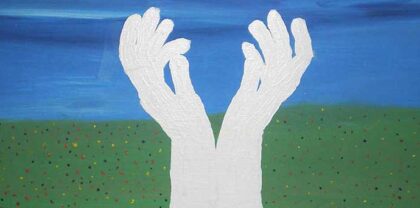
"Helping Hands," by David Kopacz. Copyright with the artist.

November 3, 2020 | 4 min read

Beyond Resilience: Fighting the Causes of The Burnout Pandemic

By David Kopacz, MD, University of Washington

Clinician wellness should be a shared responsibility between individuals and institutions. Beyond facilitating clinician resilience, institutional transformation is needed.

September 10, 2024 | 4 min read

Our patients, our planet, ourselves (archives, 2024)

By Christopher Lemon, MD, Johns Hopkins Medicine

By understanding the environmental determinants of health, clinicians can contribute to the well-being of both patients and the planet.

Jimmy Stewart, Donna Reed, and Karolyn Grimes in the film It's a Wonderful Life (1946).

January 14, 2026 | 6 min read

Lessons for healthcare delivery from “It’s a Wonderful Life” 

Choose George Bailey’s philosophy of stewardship—advocate for payment and employment models that reward continuity and community health. 

March 12, 2019 | 2 min read

Physician Burnout: The Pressure Continues to Grow

By Colin West, MD, PhD, Mayo Clinic

Support for physician mental health must be made more widely available. We must remove the stigma associated with accessing this support.

"Deliberate practice is needed."

January 19, 2022 | 2 min read

Cognitive Psychology And Patient-Clinician Connections

By Christine Ko, MD, Yale University

To foster warmth toward patients, first be aware of how you’re feeling. If you're feeling burned out, you can intentionally practice cultivating a more caring attitude. 

October 21, 2019 | 4 min read

Stepping Up to Climate Change

By Evans Brown, MD, Johns Hopkins Medicine

The climate crisis is directly relevant to our work in healthcare. Healthcare professionals must step up and get involved.

March 19, 2025 | 3 min read

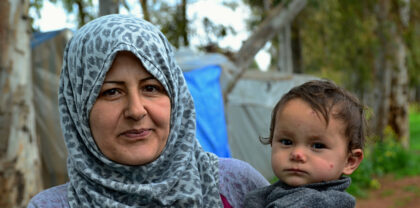
Lessons from caring for Syrian refugees 

By Nagina Khan, PhD, University of Kent

Seek to understand the unique cultural context of patients who have undergone trauma. This is paramount to building trust and providing effective care—especially for vulnerable populations, like refugees. 

May 30, 2019 | 9 min read

Confessions of a Female Doctor who Questions Gender Equity Movements Like TIME’S UP Healthcare

By Kali Cyrus, MD, MPH, Johns Hopkins Medicine

We have to embrace humility and first accept that we have biases, prejudices, and privileges in certain contexts. We must then do the hard work of recognizing when our biases show up in interactions, examine our past experiences that contributed to the development of our biases, and acknowledge the hurt that may be caused by our biases to ourselves and others. If we truly want to stop harassment and create equity, we have to do this emotional work every day. And we should do it to stop harassment and create equity for not just women, but for everyone.


October 11, 2022 | 6 min read

Learning About Your Patients And Their Communities

By Hailey Haffey, PhD, University of Utah

Receiving patient and community stories with thoughtful attention can help serve the aims of equity in healthcare. 

December 8, 2021 | 2 min read

Hitting Home Runs in Healthcare

By Colin West, MD, PhD, Mayo Clinic

Clinicians often struggle with errors and imposter syndrome. Just like in sports, coaching helps clinical performance and promotes well-being.

August 27, 2024 | 6 min read

Wounded health systems 

By David Kopacz, MD, University of Washington

In my own journey as a physician, I’ve realized that healthcare's emphasis on efficiency, productivity, and the EMR can contribute to the wounding of healers. To counteract this, systems must prioritize compassion, foster a culture of caring, and make large-scale changes to create institutional and individual well-being.

A team of sled dogs works together just like a healthcare team.

March 16, 2023 | 2 min read

Communication And Collegial Care

By Howard Chang, Medical Student, Johns Hopkins Medicine

We can be more effective communicators by understanding and appreciating the expertise of all members of the healthcare team. 

June 28, 2021 | 2 min read

Carrying Pride Month year-round (archives, 2021)

By Carl G. Streed Jr., MD, MPH, Boston Medical Center

The skills with which we care for LGBTQ patients, including affirmation and support, will allow us to better care for ALL patients.

July 23, 2019 | 3 min read

Engaging Care Partners in Communication

By Antonio Wolff, MD, Johns Hopkins University School of Medicine, Jennifer Aufill, BA, Johns Hopkins Bloomberg School of Public Health, Jennifer Wolff, PhD, Johns Hopkins Bloomberg School of Public Health

Families and friends are valuable resources. These partners in care can help clinicians improve quality of care and patient outcomes.

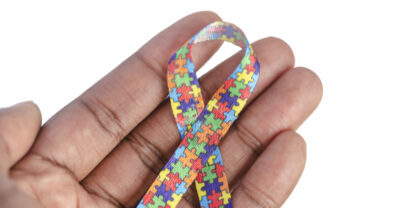
The autism ribbon.

June 12, 2025 | 2 min read

The strengths of neurodiverse healthcare professionals 

Neurodivergent healthcare professionals bring unique attributes to a medical team that can enhance patient care. We can foster inclusive environments that actively support these diverse ways of thinking and working.

March 10, 2021 | 2 min read

Communication PEARLS

By Catherine Washburn, MD, Johns Hopkins Medicine

When speaking with patients and colleagues, use a respectful tone and convey empathy. Clear communication is the basis for effective and trusting relationships with patients and coworkers.

August 2, 2023 | 2 min read

The Art of Communication

By Jennifer Katzenstein, PhD, Johns Hopkins Medicine

Often, concise notes to patients or colleagues can suffice. Other times, a conversation —either virtual or in-person—is much better.

April 8, 2020 | 5 min read

Professionalism of Clinicians and Healthcare Leaders During a Pandemic

By Kat Jong, MD, University of Washington

Working responsibly from home is definitely acceptable. Healthcare leaders and clinicians must partner to ensure that our patients are receiving excellent care, mitigating risks whenever possible.

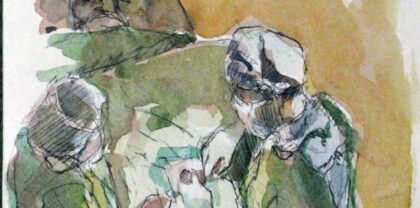
"Art and Surgery," by Janina Cerbetowitzc, Royal Liverpool Hospital. 

October 4, 2023 | 1 min read

Art: the universal language of healing

By Jonathan McFarland, Medical Humanist, Autonomous University of Madrid & University of Pompeu Fabra

Art has the capacity to heal. Both healthcare professionals and patients can benefit from art’s potential to reduce stress and restore hope. 

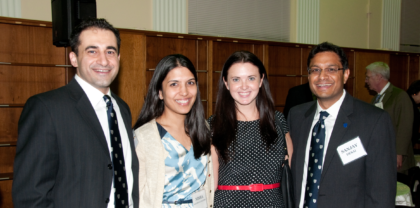
The author connects and celebrates with colleagues - one way to help reduce burnout!

October 2, 2018 | 3 min read

Reducing Resident Burnout

By Sanjay Desai, MD, Johns Hopkins University School of Medicine

We need to understand and address the causes of resident burnout, not just the symptoms. Interventions to reduce resident burnout will increase the meaning we find in our profession, and include teaching effective teamwork, and learning the patient as a person.

March 3, 2018 | 2 min read

Six Steps to Make Wellness Work

Our well-being as physicians is an essential part of professionalism. If we aren't well, we can't provide the best care to our patients, who deserve our best.

January 26, 2026 | 2 min read

Navigating challenging encounters 

When encounters feel stressful, double down on clear communication. After difficult patient interactions, debrief with colleagues to identify which communication strategies did and did not work. 

October 12, 2023 | 1 min read

A Lesson Emphasized in Brazilian Medical Training

By Thiago Mendes, MD, University of Pittsburgh

In my medical training in Brazil, I learned to live by Theodore Roosevelt’s quotation, “Nobody cares how much you know until they know how much you care." 

Newly Renamed Black Lives Matter Plaza NW, Washington, D.C., June 2020.

June 30, 2020 | 1 min read

Learning to be Antiracist

By Ashlyn McRae, Medical Student, Johns Hopkins Medicine

We must acknowledge the ways in which we have been, and are racist. This will allow us to provide the most equitable care to all of our patients.

February 13, 2024 | 3 min read

Unsent letters from a palliative care doctor to a patient and her dog 

By Lingsheng Li, MD, MHS, University of California, San Franscisco

Sometimes we never get the chance to tell a patient what we admire about them. After my patient died, I realized I’d been inspired by the inner strength she showed by caring for her dog despite health and life challenges. 

January 5, 2026 | 3 min read

Nurture your spark   

Scheduling time for things you love—like being in nature or volunteering—may help restore vitality and mitigate burnout. Identify what renews you, put it on your calendar, and protect it like any other commitment.  

August 3, 2020 | 1 min read

Book Review of “Elderhood”

By Michelle Gyenes, MS, Columbia Mailman School of Public Health

Ageism is a form of discrimination that contributes to poor health outcomes. To mitigate its effects, we must enact policies that address biases in ourselves, our workplaces, and our communities.

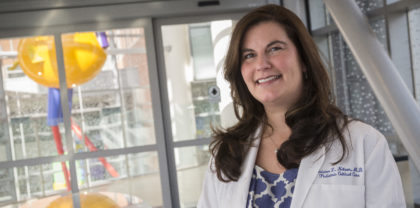
April 9, 2018 | 3 min read

Healing Through Compassion and Empathy

By Kristen Nelson, MD, Johns Hopkins University School of Medicine

Read Dr. Nelson’s clinical mission statement, reminding us that “no matter what, you’re not just treating the patient, you’re treating the whole family.”

September 4, 2024 | 2 min read

Knowing when to step back 

Patients may need time to process their thoughts and reflect when making major decisions about their care. Having conversations in stages may help them arrive in the best place.  

November 27, 2019 | 3 min read

Clouds and Codes Aren’t Care

By Gisele Waters, PhD, Founder and President of Symbiotica Consulting

The promise of artificial intelligence is that it gives healthcare professionals the opportunity to improve the quality of care by allowing humans to focus on humans.

December 12, 2023 | 2 min read

“CARE”

By Kelly Buckholdt, PhD, Veterans Health Administration, William Laurento II, MEdL

There’s no more dramatic way to understand patient-centered care than being a patient. 

February 2, 2026 | 3 min read

Perfectly cracked

Let your “why” sustain compassion and presence. Bring your humanity to the bedside, acknowledge uncertainty, and stand with patients in their hardest moments. 

June 13, 2019 | 7 min read

How to talk with a vaccine skeptic (archives, 2019)

By Dharushana Muthulingam, MD, Yale School of Medicine

You cannot treat those who challenge you with contempt. Conversations must be navigated with respect and compassion.

Our Mission

Stimulating healthcare professionals and trainees to reflect on giving exceptional care to every patient.

C L O S L E R
  • Twitter
  • Facebook
  • LinkedIn
  • Instagram
  • YouTube
  • Creative Arts in Medicine
  • Connecting with Patients
  • Passion in the Medical Profession
  • Lifelong Learning in Clinical Excellence
  • About Us
  • Our Team & Partnerships
  • Contact
  • Add Your Voice
  • Subscribe
  • Donate

©2026 Miller Coulson Academy of Clinical Excellence,  Johns Hopkins Medicine.  All Rights Reserved.  Privacy Policy